hospitality,information

Lista di Idee per Nomi Maschili: Trova il Nome Perfetto

Quando sei in viaggio per trovare il nome maschile perfetto, è più di un semplice etichetta; è un’incarnazione di identità e sogni. Potresti trovarti attratto dall’eleganza senza tempo di nomi come Giacomo o dall’energia vibrante di Jaxon, ognuno dei quali sussurra storie pronte per essere raccontate. E poi ci sono quelle rare gemme, come Alarico, che chiamano con un’aria di mistero. E se il nome che scegli non solo riflettesse chi è, ma anche plasmassi chi diventerà? Le possibilità sono infinite e la scelta giusta potrebbe essere più vicina di quanto pensi.

Nomi maschili classici

Quando pensi ai nomi maschili classici, una sensazione di atemporalità ti pervade, evocando immagini di forza e carattere. Nomi come Giacomo, Guglielmo e Alessandro risuonano attraverso la storia, ognuno portando con sé un’eredità che lega il passato al presente. Hanno resistito alla prova del tempo, incarnando qualità che ispirano rispetto e ammirazione.

Immagina un giovane ragazzo di nome Tommaso, il cui nome echeggia nei corridoi dell’accademia, o un uomo di nome Carlo, la cui stessa presenza comanda attenzione. Questi nomi, ricchi di tradizione, sono intrisi di storie di coraggio, saggezza e resilienza. Ti invitano a riflettere sul peso dell’eredità, sull’essenza dell’identità e sui sogni intrecciati nelle loro sillabe.

I nomi maschili classici non sono solo soprannomi; sono vasi di storia, un ponte verso generazioni passate. Ogni nome porta con sé una narrazione unica, un sussurro del passato che plasma il futuro.

Quando scegli un nome, considera la forza e la dignità che questi classici offrono, permettendo a tuo figlio di ereditare una connessione profonda ai valori senza tempo. In questo mondo di tendenze fugaci, i nomi classici rimangono fermi, una riflessione di carattere duraturo e identità incrollabile.

Nomi di tendenza e moderni

C’è qualcosa di elettrico nei nomi trendy e moderni, che catturano lo spirito del mondo di oggi mentre riflettono il continuo evolversi del tessuto culturale. Quando pensi a nomi come Jaxon, Zayden o Kairo, puoi sentire il battito dell’innovazione e dello stile contemporaneo.

Questi nomi non sono solo etichette; incarnano una nuova narrativa, una storia che aspetta di essere raccontata. Scegliere un nome moderno significa abbracciare il ritmo del cambiamento. Nomi come Asher e Bodhi risuonano con positività e avventura, mentre nomi come Maverick e Knox emanano fiducia e forza.

Essi suscitano curiosità e invitano a conversazioni, rendendoli indimenticabili. Potresti trovarti attratto da nomi che fondono radici tradizionali con un tocco moderno. Pensa a Elias o Theo: senza tempo ma rinvigoriti.

Questi nomi mostrano che apprezzi la storia ma non hai paura di entrare nel futuro. In un mondo frenetico di creatività, i nomi trendy offrono una tela per l’identità. Ogni volta che pronunci un nome come Zane o Kairo, non stai solo dando un nome a un bambino; stai preparando il palcoscenico per il loro viaggio, i loro sogni e il loro posto unico in un mondo in continua evoluzione.

Abbraccia la bellezza della modernità e lascia che ti ispiri nella tua scelta.

Scelte Uniche e Poco Comuni

Per coloro che cercano nomi che si distinguano dalla massa, scelte uniche e rare offrono un affascinante richiamo. Immagina il potere gentile di un nome che danza sulla lingua, evocando curiosità e ammirazione. Potresti considerare nomi come Alarico, un’eco regale della storia, o Thorian, un sussurro forte ma etereo di avventura. Ognuno di essi custodisce una storia, pronta a svelarsi.

Man mano che esplori più in profondità, pensa a nomi come Zefiro, che evoca immagini di venti leggeri, o Dorian, un poetico omaggio all’arte e alla grazia. Questi nomi non si limitano a identificare; risuonano, tessendo un’identità che è sia personale che profonda. Quando scegli un nome come Caspian, abbracci l’allure di coste lontane e racconti non raccontati.

Desideri un nome che parli all’anima, che si senta come una melodia accuratamente composta. I nomi rari invitano il mondo a vedere il tuo piccolo attraverso una lente di meraviglia. Scopri le storie e i significati nascosti dietro i nomi più belli per il tuo bambino, leggi di più su lista di idee nomi maschili.
hospitality

Homemade Candles Coconut Wax

Homemade Candles with Coconut Wax: A Guide to Creating Natural and Eco-Friendly Candles

Creating homemade candles coconut wax is a rewarding and enjoyable craft, especially when using natural materials like coconut wax. Meaningful Mantras believes in the importance of natural living, and coconut wax offers a sustainable and eco-friendly option for candle making. This guide will explore the benefits of using coconut wax, essential steps for crafting your own candles at home, and tips for customizing them to create a unique atmosphere in any space.

Why Choose Coconut Wax?

Coconut wax is gaining popularity among candle makers for several reasons. It is derived from the meat of coconuts, making it a natural, renewable resource that is biodegradable. Here are some of the key benefits of choosing coconut wax for homemade candles:

Eco-Friendly and Sustainable: Since coconut wax is made from coconut oil, it is a sustainable choice. Coconut trees grow abundantly in tropical regions, and their oil extraction process has a lower environmental impact compared to other waxes like paraffin or even soy.

Clean Burning: Coconut wax produces minimal soot and smoke, resulting in a cleaner burn compared to paraffin wax. This quality makes it ideal for indoor use and ensures better air quality in your home.

Longer Burn Time: Due to its lower melting point, coconut wax burns more slowly, allowing candles to last longer. This means you can enjoy the warm glow and pleasant aroma of your homemade candles for an extended period.

Superior Scent Throw: The natural composition of coconut wax helps to retain and release fragrance effectively, providing a stronger scent throw. This makes coconut wax candles ideal for those who want to fill their space with delightful aromas.

Steps to Make Homemade Coconut Wax Candles

If you’re ready to create your own coconut wax candles, follow these simple steps:

Materials You Will Need:

  • Coconut wax flakes
  • Candle wicks (preferably made of cotton or wood)
  • A heat-proof container or candle mold
  • Fragrance oils (optional)
  • Dye or color blocks (optional)
  • Double boiler or a heat-safe bowl and pot
  • Thermometer
  • Stirring utensil
  • Wick stickers or glue dots

Step 1: Prepare the Work Area

Set up your workspace with all the materials and tools you need. Make sure the area is clean, dry, and free from distractions. Place the wick in the center of your container using a wick sticker or glue dot to hold it in place. For larger candles, you may need to use multiple wicks to ensure even burning.

Step 2: Melt the Coconut Wax

Use a double boiler or heat-safe bowl placed over a pot of simmering water to melt the coconut wax flakes. Heat the wax until it reaches a temperature between 170°F and 180°F (77°C and 82°C). Stir gently to ensure it melts evenly.

Step 3: Add Fragrance and Dye (Optional)

If you want to add fragrance to your candles, pour in the fragrance oil once the wax reaches the desired temperature. A good rule of thumb is to use about 1 ounce of fragrance oil for every pound of wax. Stir the mixture for about 1-2 minutes to ensure the fragrance is well incorporated. If you wish to add color, do so at this stage using dye chips or liquid dye made specifically for candles.

Step 4: Pour the Wax

Slowly pour the melted wax into your prepared container, making sure to leave a small amount of space at the top. Allow the wax to cool slightly before topping off any sinkholes that may form as it hardens. If needed, reheat the leftover wax and fill in these sinkholes to create a smooth finish.

Step 5: Trim the Wick

After the candle has fully hardened (usually 24 hours), trim the wick to about ¼ inch in length. This will help prevent excessive smoke or soot when burning the candle.

Tips for Customizing Your Coconut Wax Candles

Homemade candles can be customized in many ways to create a truly personalized product. Here are some tips for adding your own unique touch:

Use Natural Additives: Enhance the appearance of your candles by adding dried flowers, herbs, or even crystals. These can be placed in the container before pouring the wax or on top after the wax has slightly set.

Experiment with Different Scents: Try combining essential oils or fragrance oils to create a custom scent blend. Popular combinations include lavender and vanilla for a calming effect, or citrus and mint for a refreshing aroma.

Create Layered Candles: For a multi-scented candle experience, pour different layers of wax, each with a different color or fragrance. Allow each layer to cool and harden slightly before adding the next.

Decorate the Containers: Use decorative containers such as mason jars, teacups, or vintage tins to make your candles stand out. You can also wrap the containers with twine, ribbons, or personalized labels to add a finishing touch.

Why Coconut Wax is Better Than Other Waxes

When compared to other types of waxes like paraffin or soy, coconut wax stands out as the superior choice for eco-conscious crafters. Paraffin wax, made from petroleum, can emit harmful chemicals when burned. Soy wax, while a more natural alternative, may still contain pesticides or other residues. Coconut wax, on the other hand, is fully natural, burns cleaner, and supports sustainable farming practices.

recreation

What does wrongful death mean in the legal space?

What Does Wrongful Death Mean in the Legal Space?

In the legal context, “wrongful death” refers to a civil action brought against a party whose negligence or intentional act has caused another person’s death. According to the Munley Law Glossary, wrongful death claims allow the surviving family members or the estate of the deceased to seek compensation for the losses they have suffered due to the untimely death of their loved one. These cases aim to provide financial relief for the deceased’s dependents and hold the responsible party accountable for their actions or omissions.

Understanding Wrongful Death

Wrongful death cases arise when a person’s death results from the fault or misconduct of another individual, company, or entity. The situations that can give rise to a wrongful death claim include:

Medical Malpractice: When a healthcare professional’s negligence, such as a surgical error, misdiagnosis, or improper treatment, leads to a patient’s death.

Automobile Accidents: Car, truck, motorcycle, or other vehicular accidents caused by reckless driving, drunk driving, or other negligent behavior can lead to wrongful death claims.

Workplace Accidents: Dangerous working conditions, inadequate safety measures, or employer negligence can result in fatal workplace incidents.

Defective Products: If a dangerous or malfunctioning product causes a fatal injury, the manufacturer or distributor could be held liable in a wrongful death lawsuit.

Criminal Acts: Intentional acts, such as assaults or other violent crimes, that result in death can also form the basis of a wrongful death claim, separate from any criminal charges the perpetrator may face.

Elements of a Wrongful Death Claim

To successfully bring a wrongful death claim, the plaintiff (typically a family member or representative of the deceased’s estate) must prove certain elements:

Death of a Person: The claim must be based on an actual death, whether caused by negligence, recklessness, or an intentional act.

Caused by Negligence or Intentional Misconduct: It must be shown that the death was the direct result of the defendant’s negligent actions or intentional wrongdoing. For instance, if a driver was texting while driving and caused a fatal accident, this would establish negligence.

Surviving Family Members Suffered Damages: The plaintiff must demonstrate that the surviving family members have suffered financial or emotional harm due to the loss. This can include loss of income, companionship, and support, or expenses related to medical care and funeral costs.

Appointment of a Personal Representative: In most cases, the estate of the deceased must appoint a personal representative to bring the claim to court.

Types of Compensation in Wrongful Death Cases

Wrongful death claims are aimed at compensating the surviving family for the losses they endure as a result of the death. The types of compensation typically sought in these cases include:

Economic Damages: These cover quantifiable financial losses such as lost wages and benefits, medical expenses incurred prior to death, and funeral and burial costs.

Non-Economic Damages: Compensation for emotional pain and suffering, loss of companionship, and the loss of parental guidance or spousal support.

Punitive Damages: In some cases, punitive damages may be awarded if the defendant’s actions were particularly egregious or malicious. These damages are intended to punish the wrongdoer and deter similar behavior in the future.

Who Can File a Wrongful Death Claim?

The right to file a wrongful death lawsuit varies by state, but it generally allows specific individuals or entities to bring the claim:

Immediate Family Members: In most states, the spouse, children, or parents of the deceased can file a wrongful death claim.

Extended Family Members: In some jurisdictions, siblings, grandparents, or other extended relatives may also be eligible to bring a claim if they were financially dependent on the deceased.

Personal Representatives of the Estate: If the deceased did not have a surviving spouse, children, or parents, the estate’s representative might file a wrongful death claim on behalf of the estate.

Statute of Limitations for Wrongful Death Claims

Each state imposes a time limit, known as the statute of limitations, for filing a wrongful death lawsuit. Typically, this period ranges from one to three years from the date of the death. Failing to file within the prescribed time frame can result in the forfeiture of the right to pursue legal action. Because of this, it’s essential for surviving family members to seek legal counsel promptly to ensure that they meet all legal requirements.

Challenges in Wrongful Death Cases

Wrongful death lawsuits can be complex, as they involve gathering extensive evidence, expert testimonies, and navigating legal procedures. Some of the challenges faced in these cases include:

Proving Negligence or Fault: Establishing that the defendant’s actions were directly responsible for the death can require thorough investigation and expert testimony.

Quantifying Non-Economic Losses: Placing a monetary value on non-economic damages, such as pain and suffering or loss of companionship, can be difficult due to their subjective nature.

The Role of Legal Representation

Given the complexities associated with wrongful death cases, having an experienced attorney is crucial. Legal experts can help the surviving family navigate the legal process, gather evidence, negotiate with insurance companies, and represent their interests in court.

adult

What does trip-and-fall mean in the legal space?

What Does Trip-and-Fall Mean in the Legal Space?

In the legal realm, “trip-and-fall” refers to a specific type of premises liability case where a person is injured after tripping and falling on someone else’s property. According to the Munley Law Glossary, these incidents occur when an individual encounters an unsafe or obstructive condition that causes them to lose their balance and fall, leading to injuries. Trip-and-fall cases often arise from property owners’ failure to maintain safe conditions, and the legal implications can involve significant compensation for the injured party, depending on the circumstances surrounding the accident.

Understanding Trip-and-Fall Accidents

Trip-and-fall accidents are a common form of personal injury, often resulting in serious consequences such as broken bones, sprains, head injuries, and back pain. These accidents typically occur when a person encounters a hazardous condition, such as:

Uneven or Cracked Sidewalks: Poorly maintained walkways can cause a person to trip if there are noticeable cracks, height differences, or irregular surfaces.

Cluttered Floors: Objects left in walking paths, such as electrical cords, merchandise, or debris, can be tripping hazards.

Loose Flooring: Damaged carpets, tiles, or mats that are not securely fastened to the ground may cause a person to trip.

Poor Lighting: Inadequate lighting can make it difficult to see obstacles or changes in floor level, increasing the risk of tripping.

Legal Aspects of Trip-and-Fall Cases

In the legal space, trip-and-fall cases are classified under premises liability law. The injured person (plaintiff) seeks to hold the property owner or occupier (defendant) liable for damages due to negligence in maintaining a safe environment. Here’s how these cases are typically addressed:

Establishing Duty of Care: In trip-and-fall cases, the first legal requirement is to establish that the property owner had a duty of care to maintain the premises in a reasonably safe condition. This duty applies to various locations, including private residences, commercial establishments, and public spaces.

Proving Negligence: The injured party must demonstrate that the property owner was negligent in maintaining the premises or failed to address a known hazard. For instance, if the owner was aware of a broken step but did not repair it or provide adequate warning, it could be considered negligence.

Showing Causation: There must be a direct link between the hazardous condition and the injuries sustained. The plaintiff needs to prove that the trip-and-fall accident was the direct cause of their injuries.

Comparative Negligence: In some cases, the plaintiff’s own actions may have contributed to the accident. States that follow comparative negligence laws allow for a reduction in compensation based on the injured person’s share of fault. For example, if the victim was distracted while walking and failed to notice an obvious hazard, their compensation might be reduced.

Types of Compensation in Trip-and-Fall Cases

Victims of trip-and-fall accidents may be eligible for various forms of compensation, depending on the severity of their injuries and the circumstances of the incident. Common types of damages sought in these cases include:

Medical Expenses: This covers the cost of emergency treatment, surgeries, physical therapy, medication, and other medical needs related to the injury.

Lost Wages: If the injury prevents the victim from working, they may seek compensation for lost wages or loss of earning capacity.

Pain and Suffering: Physical pain, emotional distress, and decreased quality of life resulting from the injury can be included in non-economic damages.

Rehabilitation Costs: Severe injuries may require ongoing rehabilitation, and compensation can help cover the costs of these treatments.

Challenges in Trip-and-Fall Cases

Trip-and-fall cases can be challenging to litigate because they often involve proving that the property owner’s negligence was directly responsible for the accident. Several factors can complicate these cases, such as:

Lack of Evidence: It can be difficult to provide sufficient evidence of the hazardous condition that caused the fall, especially if it was quickly corrected or removed after the incident.

Witness Testimony: Eyewitnesses can play a significant role in these cases, but locating witnesses who can accurately describe the conditions at the time of the fall may not always be possible.

Time Limits: There are statutes of limitations that dictate the time frame within which a trip-and-fall lawsuit must be filed. Missing these deadlines can result in losing the right to pursue a claim.

The Role of Legal Representation

Hiring an attorney who specializes in personal injury law can significantly improve the chances of success in a trip-and-fall case. Legal professionals can help gather evidence, negotiate with insurance companies, and represent the injured party in court if necessary. Lawyers familiar with trip-and-fall cases can also assist in determining a fair amount of compensation, considering the medical costs, long-term impact, and emotional toll on the victim.

Preventative Measures

To avoid trip-and-fall incidents, property owners should take proactive measures to ensure their premises are safe. Regular inspections, timely repairs of hazards, and proper warning signs for temporary dangers, such as wet floors or construction areas, can help reduce the risk of accidents.

In the legal space, a trip-and-fall case involves more than just an unfortunate accident—it raises questions about property maintenance, responsibility, and liability. The Munley Law Glossary explains that these cases hinge on proving negligence and establishing a link between the hazard and the injury. For victims, understanding the legal aspects of trip-and-fall claims is essential in pursuing compensation and holding property owners accountable for unsafe conditions.

recreation

What does demand letter mean in the legal space?

What Does Demand Letter Mean in the Legal Space?

In the legal landscape, a demand letter serves as a critical communication tool, often marking the first formal step in the dispute resolution process. According to the Munley Law Glossary, a demand letter is a written document sent by one party to another, outlining a request for payment or action and detailing the reasons for that demand. This letter plays a vital role in legal negotiations, serving as a precursor to more formal legal action. Understanding the purpose, structure, and implications of a demand letter is essential for individuals and businesses involved in legal disputes.

Purpose of a Demand Letter

The primary purpose of a demand letter is to communicate a claim or request before resorting to litigation. Here are several key functions that a demand letter typically serves:

Initiating Communication: A demand letter formally initiates communication regarding a dispute. It signals to the recipient that there is a serious issue that needs to be addressed, allowing for an opportunity to resolve the matter amicably.

Detailing Claims: The letter provides a platform for the sender to articulate their claims clearly. It typically includes a summary of the facts leading to the demand, the specific legal grounds for the claim, and the relief sought, whether it be monetary compensation or specific performance.

Establishing a Record: A demand letter creates a formal record of the sender’s request and the reasons behind it. This documentation can be crucial in any subsequent legal proceedings, demonstrating that the sender made a reasonable attempt to resolve the issue before escalating to litigation.

Encouraging Settlement: Many disputes can be resolved through negotiation, and a well-crafted demand letter can facilitate this process. By laying out the sender’s position clearly, the letter may encourage the recipient to respond positively and seek a resolution without the need for costly legal action.

Setting Deadlines: Demand letters often include a deadline by which the recipient must respond or comply with the demand. This creates urgency and prompts the recipient to take the matter seriously, potentially leading to a quicker resolution.

Structure of a Demand Letter

A demand letter typically follows a structured format to ensure clarity and professionalism. Here’s an outline of what a typical demand letter might include:

Sender’s Information: At the top of the letter, the sender’s name, address, and contact information should be clearly stated.

Date: The date on which the letter is sent should be included.

Recipient’s Information: The name and address of the recipient should follow the date, ensuring the letter is directed to the correct party.

Subject Line: A brief subject line that indicates the nature of the letter can help the recipient understand its importance at a glance.

Introduction: The opening paragraph should clearly state the purpose of the letter. It may reference any prior discussions or communications regarding the issue.

Statement of Facts: This section provides a detailed account of the relevant facts leading to the demand. It should outline the situation clearly and objectively, avoiding emotional language.

Legal Grounds: The letter should explain the legal basis for the demand. This may include references to relevant laws, contracts, or obligations that support the claim.

Demand for Relief: The core of the letter should specify what the sender is requesting, whether it is a specific amount of money, performance of an action, or cessation of certain behavior.

Deadline for Response: A reasonable deadline for the recipient to respond or comply with the demand should be included, typically ranging from a few days to a few weeks.

Closing Statement: The letter should end with a polite but firm closing statement, expressing the sender’s hope for a prompt resolution. It may also indicate the potential for further action if the demand is not met.

Signature: Finally, the sender should sign the letter and include their printed name beneath the signature.

Implications of a Demand Letter

While a demand letter can be an effective tool for resolution, it also carries certain implications:

Legal Consequences: Sending a demand letter can have legal consequences. It may be viewed as a formal assertion of one’s rights, and failure to comply with the demand could lead to litigation. Conversely, responding to a demand letter may obligate the recipient to take action or enter negotiations.

Potential for Litigation: A demand letter often serves as a precursor to litigation. If the recipient fails to respond or does not comply with the demand, the sender may choose to escalate the matter to court, relying on the demand letter as evidence of their attempt to resolve the issue amicably.

Professionalism: A well-written demand letter reflects professionalism and seriousness. It shows that the sender is willing to engage in dialogue and seeks a fair resolution. Conversely, a poorly written or overly aggressive demand letter may damage relationships and undermine the sender’s position.

Insurance Implications: In some cases, a demand letter may be sent to an insurance company, especially in personal injury or property damage claims. The letter serves to notify the insurer of the claim and can affect the insured party’s coverage and obligations under their policy.

reference

What does personal injury protection mean in the legal space?

What Does Personal Injury Protection Mean in the Legal Space?

Personal Injury Protection (PIP) is a type of auto insurance coverage designed to pay for medical expenses and, in some cases, lost wages, regardless of who is at fault in an accident. According to the Munley Law Glossary, PIP is a vital component of “no-fault” insurance systems, which aim to provide immediate benefits to accident victims while minimizing the need for lengthy litigation to establish fault. This legal concept plays an essential role in ensuring that individuals can quickly access necessary medical care and recover from injuries sustained in car accidents.

Understanding Personal Injury Protection (PIP)

PIP, often referred to as “no-fault insurance,” is mandatory in several states. This type of insurance provides financial support to cover medical expenses and related costs following an accident, without the need to prove who caused the accident. In no-fault states, drivers are required to carry PIP coverage as part of their auto insurance policies, and each driver’s insurance pays for their own medical bills up to a certain limit.

PIP is primarily designed to cover the following expenses:

  1. Medical Bills: Coverage for doctor visits, hospital stays, surgeries, medications, and other necessary treatments.
  2. Lost Wages: If the accident prevents the insured from working, PIP can compensate for lost income.
  3. Rehabilitation Costs: Expenses related to physical therapy or rehabilitation needed after the injury.
  4. Funeral Expenses: In the unfortunate event of a fatality, PIP can cover the costs of a funeral.

PIP benefits are particularly valuable because they provide immediate assistance for medical costs, ensuring that accident victims can receive necessary treatment without waiting for the lengthy process of determining fault through a court proceeding.

How PIP Works in No-Fault States

In states that have adopted no-fault insurance laws, PIP coverage is a legal requirement. The purpose of the no-fault system is to reduce the number of lawsuits stemming from auto accidents, as insurance companies handle most injury claims directly. Each party’s insurance policy covers their injuries and losses, regardless of who was at fault in the accident.

For example, if two drivers are involved in a collision, both drivers would file a claim under their respective PIP coverage for medical bills and other expenses. This system helps streamline the process, allowing accident victims to receive timely care without waiting for the legal determination of fault.

However, in most states, there are limits to the amount of compensation a person can receive through PIP. Once these limits are reached, the injured party may still need to pursue additional compensation through a lawsuit, especially if the injuries are severe or result in long-term consequences.

PIP vs. Medical Payments Coverage (MedPay)

It’s essential to distinguish between PIP and another common type of auto insurance called Medical Payments (MedPay) coverage. While both policies help cover medical expenses, there are key differences:

  • PIP: Provides coverage for medical expenses, lost wages, rehabilitation, and, in some cases, funeral expenses. PIP is usually required in no-fault states.
  • MedPay: Only covers medical expenses, regardless of fault, but does not include compensation for lost wages or other expenses. MedPay is typically optional.

PIP is more comprehensive than MedPay, as it provides broader financial protection for accident victims. In states where PIP is mandatory, MedPay is often an additional option for those seeking further medical coverage.

Personal Injury Protection and Legal Claims

Although PIP is designed to minimize the need for legal action, it does not entirely prevent lawsuits. In cases where injuries exceed the limits of PIP coverage, or when a serious injury occurs, accident victims may still have the right to pursue a personal injury claim against the at-fault driver.

For example, if a driver suffers a severe injury that results in permanent disability, their medical costs and lost wages could quickly exceed the limits of their PIP policy. In such cases, the injured party may be able to file a lawsuit against the at-fault driver to recover additional compensation for long-term medical care, pain and suffering, and other damages.

States that Require PIP Coverage

Several states in the U.S. have implemented no-fault insurance systems, making PIP coverage mandatory. Some of the states that require PIP include:

  • Florida
  • Michigan
  • New Jersey
  • New York
  • Pennsylvania

The requirements and limits of PIP coverage vary by state. Some states allow drivers to choose additional PIP coverage, while others set mandatory minimums. It is important to understand the specific laws in each state, as they impact the amount of compensation available after an accident.

Limitations of PIP Coverage

While PIP provides essential benefits, it is not without limitations. Many PIP policies have relatively low coverage limits, meaning that if the costs of medical treatment or lost wages exceed those limits, the accident victim may have to cover the remaining expenses out of pocket. In some cases, victims may need to rely on other forms of insurance, such as health insurance, to cover the additional costs.

Additionally, PIP coverage does not generally compensate for pain and suffering or emotional distress. If a victim wishes to recover compensation for these non-economic damages, they may need to file a personal injury lawsuit against the at-fault party.

science

What does post-concussion syndrome mean in the legal space?

What Does Post-Concussion Syndrome Mean in the Legal Space?

Post-concussion syndrome (PCS) is a condition where the symptoms of a concussion persist for weeks, months, or even years after the initial head injury. In legal terms, post-concussion syndrome can significantly affect personal injury cases, workers’ compensation claims, and even medical malpractice suits. According to the Munley Law Glossary, PCS refers to the long-term effects of a concussion, which can include headaches, dizziness, cognitive difficulties, and emotional distress. These symptoms are often central to legal claims seeking compensation for long-term damages caused by traumatic brain injuries (TBIs).

Understanding Post-Concussion Syndrome

A concussion is a mild traumatic brain injury that occurs when the brain is jolted inside the skull, often due to a blow to the head or whiplash. While most people recover from concussions within a few weeks, some individuals continue to experience symptoms beyond the typical recovery period. This lingering condition is known as post-concussion syndrome.

PCS symptoms can include:

  • Persistent headaches or migraines
  • Dizziness or balance issues
  • Difficulty concentrating or remembering
  • Sensitivity to light or noise
  • Fatigue and sleep disturbances
  • Anxiety, depression, or irritability

These symptoms can significantly impact a person’s ability to work, engage in daily activities, and maintain relationships. In severe cases, PCS can result in long-term disability, which is why it becomes a focal point in legal claims.

PCS in Personal Injury Cases

In personal injury cases, post-concussion syndrome often becomes a critical factor in determining the extent of damages and compensation. Individuals suffering from PCS due to car accidents, sports injuries, or workplace accidents may file a lawsuit against the responsible party, seeking compensation for both their physical injuries and the long-term effects of PCS.

To successfully claim compensation for PCS, plaintiffs need to prove:

Causation: They must show that the concussion—and subsequent development of PCS—was directly caused by the defendant’s negligence. For example, if a driver caused a car accident and the plaintiff sustained a head injury, the plaintiff must establish that the concussion and PCS resulted from the crash.

Medical Diagnosis: Plaintiffs need a formal diagnosis of PCS from a qualified medical professional. Medical experts, such as neurologists or concussion specialists, may be called upon to testify about the nature of the injury and the long-term impact on the plaintiff’s health.

Impact on Daily Life: Plaintiffs must demonstrate how PCS has affected their ability to work, care for themselves, or maintain their usual quality of life. This often includes medical records, therapy notes, and documentation of lost wages or reduced earning capacity.

The severity of PCS varies from person to person, and courts will assess the extent of the injury based on the duration and intensity of the symptoms, as well as the medical treatments sought. In cases where PCS leads to long-term disability, plaintiffs may be entitled to significant compensation for future medical expenses, lost earnings, and pain and suffering.

PCS in Workers’ Compensation Claims

Workers who develop post-concussion syndrome due to on-the-job injuries may file a workers’ compensation claim to seek benefits for medical treatment and lost wages. For example, construction workers, athletes, and individuals in other physically demanding professions are often at a higher risk of head injuries and, consequently, PCS.

However, filing a successful workers’ compensation claim for PCS can be challenging. Employers or insurers may argue that the lingering symptoms are not related to the workplace injury or that the plaintiff is exaggerating their symptoms. In these cases, comprehensive medical documentation and expert testimony are essential to establishing the link between the workplace accident and the development of PCS.

Additionally, workers with PCS may need to demonstrate that their condition prevents them from performing their job duties. If the symptoms of PCS—such as dizziness, fatigue, or cognitive impairments—interfere with the ability to work, the individual may be eligible for temporary or permanent disability benefits through the workers’ compensation system.

PCS in Medical Malpractice Claims

In some cases, post-concussion syndrome may also be the basis for a medical malpractice claim if the injury or the management of the concussion was mishandled by healthcare providers. For example, if a physician fails to properly diagnose or treat a concussion, and this oversight leads to the development or worsening of PCS, the affected individual may have grounds for a malpractice suit.

To bring a successful medical malpractice claim involving PCS, the plaintiff must prove that:

  1. There was a doctor-patient relationship, and the healthcare provider owed a duty of care.
  2. The healthcare provider breached this duty by failing to properly diagnose or treat the concussion.
  3. The breach directly caused the development or worsening of PCS, resulting in harm to the patient.

Medical malpractice cases involving PCS can be complex, as it requires proving that the doctor’s negligence directly contributed to the long-term effects of the concussion. Expert testimony from neurologists or concussion specialists is often critical in establishing the connection between medical errors and the plaintiff’s injuries.

Legal Challenges in PCS Cases

One of the biggest challenges in legal cases involving post-concussion syndrome is proving the severity and impact of the condition. Unlike visible physical injuries, PCS involves subjective symptoms that can be harder to quantify. Additionally, symptoms like headaches, cognitive difficulties, and emotional disturbances can overlap with other mental health conditions, making it difficult to establish that PCS is the direct result of the concussion.

science

What does named insured mean in the legal space?

What Does Named Insured Mean in the Legal Space?

In the realm of insurance and legal terminology, understanding specific terms is crucial for policyholders and legal professionals alike. According to the Munley Law Glossary, a “named insured” refers to the individual or entity explicitly designated in an insurance policy as the party entitled to coverage under that policy. This designation plays a significant role in determining who is protected under the terms of the policy and what types of coverage apply.

Understanding the Role of Named Insured

The concept of a named insured is foundational in various types of insurance, including auto, home, health, and business insurance. It is important to recognize that not every individual associated with a policy is automatically covered; only those explicitly named in the policy documents enjoy the benefits and protections afforded by the insurance contract.

Key Characteristics of Named Insured:

Explicitly Listed: The named insured is specifically mentioned in the policy documents. This means that if a policyholder shares their insurance coverage with other individuals, only those named in the policy will have access to the benefits.

Rights and Responsibilities: The named insured typically holds the rights to make claims, modify coverage, and make decisions related to the policy. They are also responsible for paying the premiums and complying with the policy’s terms.

Coverage Scope: Coverage may differ for named insured individuals compared to others who might be associated with the policy. For example, while family members may be covered under a homeowner’s insurance policy, they might not have the same level of protection as the named insured.

Importance of Identifying the Named Insured

Understanding who is considered the named insured is vital for several reasons:

Claim Eligibility: Only the named insured can file a claim for damages or losses covered under the policy. If an incident occurs involving someone not named in the policy, the claim may be denied, leading to potential financial liability for that individual.

Legal Implications: In legal disputes, the identity of the named insured can affect liability and coverage. For instance, in cases of auto accidents, only the named insured may be protected against lawsuits arising from the incident, unless the policy explicitly extends coverage to others.

Policy Changes: Any changes to the insurance policy—such as adding or removing named insured individuals—must be formally documented. This ensures clarity regarding who is covered and helps prevent disputes in the future.

Examples of Named Insured Scenarios

Homeowner’s Insurance: In a homeowner’s insurance policy, the named insured is usually the person who owns the home. If a family member or friend living in the household causes damage, the claim may be covered, but if a tenant or guest causes damage, the policy may not cover those events unless they are specifically named.

Auto Insurance: In an auto insurance policy, the named insured might be the individual who owns the vehicle. If a friend drives the vehicle and causes an accident, coverage may extend to the named insured’s policy, provided the friend is permitted to use the vehicle.

Business Insurance: For a business policy, the named insured could be the business owner or the business entity itself. This distinction is critical during claims processes or legal disputes, as it defines who is legally recognized in the policy context.

Potential Challenges and Misunderstandings

Omitted Individuals: Sometimes, individuals believe they are covered under a policy when they are not named. This misunderstanding can lead to significant financial burdens in the event of a claim.

Named vs. Additional Insured: There is often confusion between “named insured” and “additional insured.” An additional insured may receive certain benefits under the policy, but they do not hold the same rights or responsibilities as the named insured. It is crucial to read the policy carefully to understand the distinctions.

Updating Named Insureds: Life changes, such as marriage, divorce, or business restructuring, may require updating the named insured on an insurance policy. Failing to do so can lead to coverage gaps.

The concept of a named insured is vital in the legal and insurance sectors. By clearly defining who is covered under an insurance policy, the named insured ensures that individuals and entities can protect their interests effectively. As outlined by the Munley Law Glossary, understanding the implications of being a named insured is crucial for anyone involved in an insurance contract. This knowledge not only helps policyholders navigate claims and coverage but also protects them from potential legal pitfalls. Whether it’s in the context of homeownership, automobile use, or business operations, recognizing the importance of the named insured can make a significant difference in safeguarding against unforeseen circumstances.

food

Watson Well: Your Trusted Water Systems Partner in Northern California
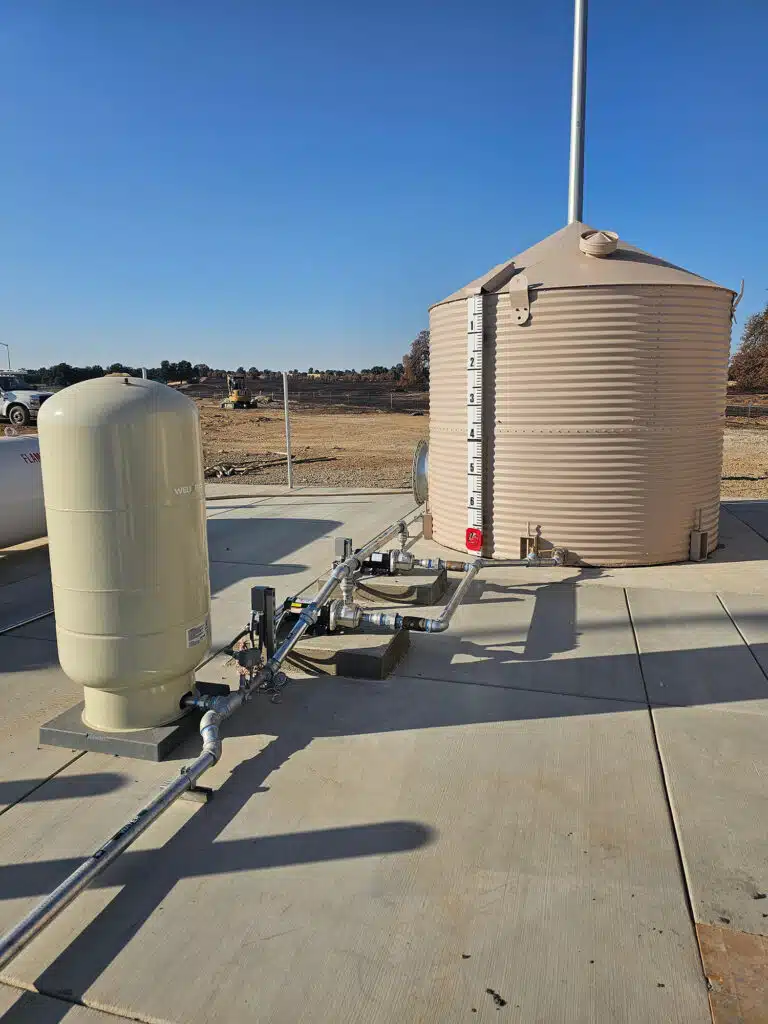
Public water system for the new I-5 south bound Caltrans scales

Solving The Unique Water Challenges of Northern California

The North State faces unique challenges when it comes to water resources. From raging infernos that damage infrastructure to fluctuating water availability, residents and businesses alike need trustworthy fixes for their water needs. Enter Watson Well, Northern California’s water experts – your local water systems specialists.

Comprehensive Water Services

Boasting extensive expertise, Watson Well offers a full spectrum of services customized for the unique needs of the North State. From household water solutions to business water networks, they handle it all.

Expert Water System Installation

One of Watson Well’s areas of expertise is setting up water networks. Whether you need a new well drilled, they have the skills to deliver exceptional outcomes. Their team of professionals employs advanced techniques to create and set up efficient water systems customized for your unique situation.

Fire Damage Restoration Services

But Watson Well’s services extend far beyond just installation. In a region at risk of devastating blazes, their fire damage restoration services are invaluable. They recognize the specific issues that post-blaze landscapes face and provide thorough remediation to get your water systems back on track.

24/7 Reliable Repair Services

Dependability is crucial when it comes to water resources, and Watson Well excels in this area. Their maintenance solutions are accessible round-the-clock, ensuring that your water needs are always met. With prompt attention to your issues and experienced technicians, they can identify and fix concerns swiftly and comprehensively.

Proactive Maintenance Programs

Understanding the necessity of consistent care, Watson Well also provides thorough maintenance packages. These packages are crafted to maintain peak performance of your water setup, preventing issues before they escalate.

Local Expertise for Northern California’s Water Landscape

What sets Watson Well apart is their thorough grasp of Northern California’s water landscape. They understand that each property is distinct, and they tailor their approach accordingly. Whether you’re dealing with hard water, their experts can develop a fix that solves your unique problems.

Serving All of Northern California

From Redding to Eureka, Watson Well has built a reputation as the go-to resource for total water management. Their dedication to excellence is evident in every job they undertake.

Contact Watson Well Today

Avoid letting water concerns disrupt your life. If you’re grappling with water challenges or aiming to improve your existing system, contact Watson Well today. With their expertise and commitment to service, you’ll quickly have access to clean, reliable water come what may.

society

Shelters for Human Trafficking Victims: A Lifeline for Survivors

shelters for human trafficking victims

Sanctuaries for Human Trafficking Targets: A Lifeline for Survivors

Human trafficking is a worldwide dilemma that impacts countless people annually. For survivors that take care of to escape their traffickers, sanctuaries play an important function in giving safety and security, assistance, and a course to recuperation. This write-up checks out the value of sanctuaries for human trafficking victims and the services they supply.

The Requirement for Specialized Shelters

Human trafficking victims have unique needs that require specific treatment and support. Unlike basic homeless sanctuaries, trafficking-specific shelters are outfitted to deal with the complicated injury, safety concerns, and lawful concerns that survivors face. These shelters provide a safe house where sufferers can start to heal and restore their lives.

Services Offered by Human Trafficking Sanctuaries

1. Safe Real estate: The key function of these sanctuaries is to provide a secure living environment where survivors can really feel safeguarded from their traffickers.

2. Standard Needs: Sanctuaries provide food, garments, and personal care things to fulfill immediate demands.

3. Treatment: Many survivors call for medical interest for injuries, ailments, or reproductive health and wellness issues resulting from their trafficking experience.

4. Mental Health And Wellness Assistance: Trauma-informed counseling and therapy are essential parts of the healing process.

5. Legal Campaigning for: Shelters often provide or connect survivors with lawful solutions to help with migration issues, criminal situations against traffickers, or other lawful issues.

6. Education And Learning and Work Training: To assist survivors accomplish self-reliance, lots of shelters offer educational programs and professional training.

7. Case Administration: Team work one-on-one with survivors to establish customized prepare for recovery and reintegration into society.

Difficulties Faced by Human Trafficking Sanctuaries

In spite of their crucial function, these sanctuaries encounter countless difficulties:

– Minimal Ability: The need for sanctuary beds often goes beyond accessibility, leaving several survivors without prompt real estate choices.
– Funding Issues: Several sanctuaries fight with inadequate and irregular financing, impacting their capability to supply detailed services.
– Safety And Security Issues: Ensuring the safety of citizens and staff from potential risks by traffickers is an ongoing challenge.
– Facility Demands: Survivors often have diverse issues needing a large range of specialized services and lasting support.

The Future of Human Trafficking Shelters

As understanding of human trafficking expands, there is an enhancing concentrate on enhancing and expanding sanctuary solutions. Key areas of development consist of:

– Trauma-Informed Care: Enhancing team training in trauma-informed approaches to much better assistance survivors’ mental health demands.
– Social Expertise: Creating programs that are sensitive to the diverse social histories of trafficking survivors.
– Long-Term Assistance: Expanding services to offer recurring help also after survivors leave the shelter.
– Prevention Programs: Implementing outreach and education and learning efforts to avoid trafficking and identify targets previously.

Verdict

Shelters for human trafficking victims are greater than simply a roofing over one’s head; they are lifelines that offer hope, healing, and a possibility at a brand-new life. By supplying thorough treatment and support, these sanctuaries play an important function in helping survivors reclaim their self-respect and self-reliance. As we continue to battle human trafficking, investing in and sustaining these essential resources must stay a concern.

random

Dentistry with Heart and Passion, Serving Mount Arlington, NJ and Beyond

Experience Top-Notch Dental Care in Mt. Arlington, NJ

When it comes to ensuring your oral health, choosing the right dental practice is crucial. Dentists in Mt. Arlington offers complete dental services to residents in Mt. Arlington, NJ, and the surrounding areas. Led by the expert dental team of Dr. Janine Kelly and Dr. Stephanie Arismendi, this practice excels in providing top-quality dental care.

All-Inclusive Dental Services

At Arlington Family & Cosmetic Dental Associates, patients can benefit from a wide range of dental services designed to meet various oral health needs:

  • Routine check-ups and cleanings
  • Tooth repair (such as fillings, crowns, and dentures)
  • Cosmetic dentistry (offering teeth whitening and Invisalign)
  • Dental implants options

Whether you need a routine cleaning or advanced dental work, Drs. Kelly and Arismendi possess the skills to deliver exceptional care.

Why Select Arlington Family & Cosmetic Dental Associates

Many factors make to why Arlington Family & Cosmetic Dental Associates excels in the eyes of patients in Mt. Arlington:

  • Extensive Experience: With more than 25 years of collective experience, the dental team offer exceptional expertise to every service.
  • Comprehensive Care: As a one-stop dental practice, we handle all your oral health needs.
  • Insurance and Financing: We accept most major insurance companies and offer flexible financing plans.
  • Patient Comfort: Free nitrous oxide sedation is provided for nervous patients.
  • Flexible Scheduling: Late and Saturday appointments can be arranged to fit your busy routine.

The Arlington Dental Experience

At Arlington Family & Cosmetic Dental Associates, we’re committed to delivering individualized care in a friendly environment. Drs. Kelly and Arismendi take the time to inform you about one’s oral health and explore various treatment options.

Our commitment to using the cutting-edge dental methodologies ensures that we deliver the best possible care in the field.

Client Reviews

Our patients have expressed their satisfaction with our practice. From commending our welcoming staff to acknowledging the exceptional care delivered, these testimonials showcase our commitment to excellence in dentistry.

Arrange Your Consultation Today

Discover the difference that expert and compassionate dental care can make. Reach out to our team today to take the first step towards a brighter smile. Our staff is excited about serving you and addressing all your dental needs.

society

Guide to Soy Candle Making

Guide to Soy Candle Making

Creating your own soy candles at home is a rewarding and fulfilling craft that combines creativity with sustainability. At Meaningful Mantras, we believe in the power of mindful living and the joy of crafting something beautiful and eco-friendly. That’s why we use soy wax in our candles and encourage our customers to explore the art of soy candle making themselves. This guide will walk you through the process of making your own soy candles, from selecting materials to enjoying your finished product.

1. Gather Your Materials

Before you begin, you’ll need to gather the necessary materials. For soy candle making, you will need the following:

  • Soy Wax: Choose 100% natural soy wax flakes for the best results. Soy wax is made from soybean oil, which is biodegradable and renewable.
  • Wicks: Cotton wicks are a popular choice for soy candles as they burn cleanly and evenly. Make sure to select the appropriate size for your candle container.
  • Fragrance Oils: Add your favorite scents to your candles using high-quality fragrance oils. Essential oils can also be used for a more natural aroma.
  • Containers: Glass jars or metal tins are ideal for soy candles. Ensure that the containers are heat-resistant and have smooth surfaces.
  • Double Boiler: To melt the soy wax, you’ll need a double boiler or a makeshift one using a heatproof bowl and a pot of water.
  • Thermometer: A thermometer is essential to monitor the wax’s temperature to avoid overheating.
  • Stirring Utensil: A wooden or silicone spatula works well for stirring the wax and fragrance oils.
  • Wick Holder: This tool helps keep the wick centered while the wax cools and solidifies. You can use clothespins, chopsticks, or a dedicated wick holder.
  • Labels and Decorations: Personalize your candles with labels, ribbons, or other decorative elements.
2. Prepare Your Work Area

Before you start, prepare your work area by covering it with newspaper or a protective mat to catch any spills. Ensure that all your materials are within reach and that your containers are clean and dry. If you’re working with fragrance oils, it’s a good idea to keep the area well-ventilated to avoid overwhelming scents.

3. Measure and Melt the Soy Wax

The first step in the candle-making process is to measure the amount of soy wax you’ll need. A general rule is to use twice the volume of wax flakes to fill your container. For example, if your container holds 8 ounces, measure out 16 ounces of soy wax flakes.

Using your double boiler, melt the soy wax over medium heat. Stir occasionally to ensure even melting. Soy wax has a melting point between 120°F and 180°F, so use your thermometer to monitor the temperature. Avoid overheating, as this can affect the quality of your candles.

4. Add Fragrance Oils

Once the wax is fully melted and reaches a temperature of around 170°F, remove it from the heat. This is the ideal time to add your fragrance oils. The recommended ratio is 1 ounce of fragrance oil per pound of soy wax, but you can adjust this depending on how strong you want the scent to be.

Stir the fragrance oil thoroughly into the melted wax, ensuring it’s evenly distributed. At Meaningful Mantras, we love experimenting with different scent combinations to create unique and uplifting aromas, and we encourage you to do the same!

5. Attach and Position the Wick

While the wax is cooling slightly, it’s time to prepare your containers. Attach the wick to the bottom center of each container using a dab of melted wax or a wick sticker. Use a wick holder to keep the wick centered and upright while you pour the wax.

6. Pour the Wax

When the wax has cooled to around 140°F to 150°F, carefully pour it into your prepared containers. Pour slowly and steadily to minimize air bubbles. Leave a small amount of wax in your melting pot for a second pour, as the wax may shrink as it cools.

7. Cool and Refill

Allow the candles to cool at room temperature for several hours or overnight. As the wax cools, it may create a small dip or crack around the wick. If this happens, reheat the leftover wax to around 150°F and pour a thin layer over the top to create a smooth, even surface.

8. Trim the Wick and Enjoy

Once your candles have fully cooled and hardened, trim the wick to about 1/4 inch. This ensures a clean burn and prevents excessive smoke. Now, your soy candles are ready to light and enjoy!

At Meaningful Mantras, we believe that creating your own candles is more than just a craft—it’s a way to bring mindfulness and intention into your life. Soy candles not only provide a beautiful and natural light source but also offer a moment of tranquility and self-care.

Making soy candles is a delightful and eco-friendly hobby that allows you to express your creativity while contributing to a more sustainable lifestyle. Whether you’re crafting for yourself, for gifts, or even considering starting your own candle-making business, the process is both enjoyable and rewarding. At Meaningful Mantras, we encourage you to embrace the art of soy candle making and to explore the endless possibilities it offers. Happy crafting!

business,people

Elevate Your Online Presence with SEO Loughborough’s Premier Consultant

In the competitive digital landscape of Loughborough, Mark Woodcock emerges as the leading SEO Loughborough expert. With a wealth of experience and an in-depth understanding of the local market, Mark Woodcock SEO Services offers unmatched proficiency in enhancing your online visibility in Loughborough and surrounding areas, unlocking substantial growth opportunities for your business.

Comprehensive SEO Loughborough Strategies

As a seasoned SEO Loughborough professional, Mark Woodcock knows that effective search engine optimization extends beyond mere keywords. His approach to SEO Loughborough services encompasses a holistic strategy, including:

  1. On-page Optimization: Refining your website’s structure and content for Loughborough searches
  2. Local Content Creation: Developing engaging, Loughborough-centric content
  3. Strategic Link Building: Establishing authoritative connections within the Loughborough business community
  4. Local SEO Tactics: Ensuring your business stands out in Loughborough-specific searches

This comprehensive method ensures that your Loughborough business not only ranks well but also attracts and engages your target audience effectively.

Benefits of Expert SEO Loughborough Services

Partnering with Mark Woodcock for your SEO Loughborough needs offers numerous advantages:

  • Increased Organic Traffic: Improve your rankings in Loughborough-related searches
  • Enhanced Brand Authority: Build trust and recognition in the Loughborough market
  • Superior ROI: Enjoy long-term value compared to short-term advertising
  • Local Market Dominance: Stand out in Loughborough’s digital landscape
  • Improved Conversion Rates: Turn Loughborough visitors into loyal customers
  • Round-the-Clock Promotion: Your optimized website works tirelessly for your Loughborough business

Tailored SEO Solutions for Every Loughborough Business

Mark Woodcock’s reputation as Loughborough’s go-to SEO consultant is built on a foundation of results. He has assisted various local businesses, from university-affiliated enterprises to independent shops in the town center, in climbing search engine rankings and boosting their online visibility. Whether you’re a small local business or a larger corporation in Loughborough, you’ll receive a customized SEO strategy designed to meet your specific goals and maximize your digital potential.

Stay Ahead with Cutting-Edge SEO Loughborough Techniques

As a dedicated SEO Loughborough consultant, Mark Woodcock remains at the forefront of industry trends and algorithm updates. This commitment to ongoing education allows him to implement innovative techniques that keep his Loughborough clients ahead of the competition. When you choose Mark Woodcock SEO Services, you’re partnering with a Loughborough SEO expert who is invested in your success.

Additional Benefits of Professional SEO Loughborough Services

  • Adaptability: Evolve your SEO strategy as your Loughborough business grows
  • Comprehensive Digital Marketing: Enhance your overall online presence in Loughborough
  • Data-Driven Strategies: Gain valuable insights about your Loughborough customer base
  • Sustainable Growth: Build long-lasting digital success in Loughborough

Don’t let your Loughborough business fade into the digital background. Contact Mark Woodcock SEO Services today and embark on your journey to dominate Loughborough’s online marketplace. With expert SEO Loughborough services, you’ll drive sustainable growth and establish your business as a digital leader in the Loughborough community.

-